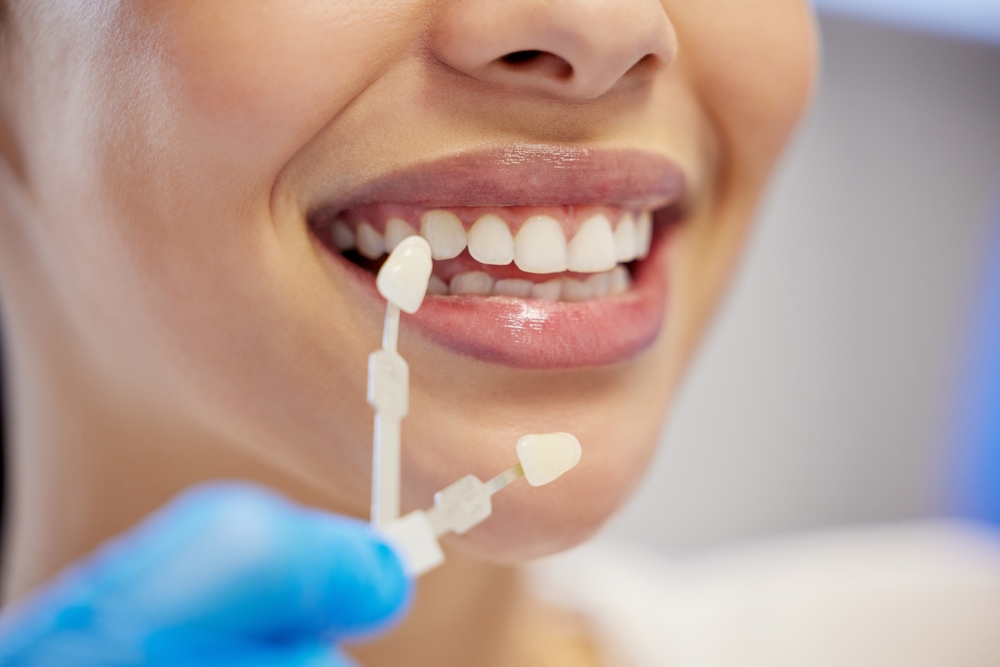
If you’ve been quietly bothered by stained, chipped, or uneven teeth, dental veneers West Liberty patients rely on may be worth a closer look. Veneers are one of the more versatile options in cosmetic dentistry, and at Gentle Family Dentists, we work with patients to determine whether they’re the right fit before moving forward with anything.
What Are Dental Veneers?
Dental veneers are thin shells, usually made from porcelain or composite resin, that bond directly to the front surface of your teeth. They’re designed to improve the appearance of teeth that are discolored, chipped, slightly misaligned, or disproportionate in size. Because they cover only the front-facing surface, most of the natural tooth structure stays intact.
Porcelain veneers are the more durable option and resist staining well. Composite veneers cost less upfront and can often be placed in a single visit, though they typically don’t last as long. During your exam, we’ll walk through both options and help you figure out which makes more sense for your situation.
Are Dental Veneers in West Liberty a Good Fit?
Most adults with healthy gums and sufficient enamel are reasonable candidates. Before recommending veneers, we check for untreated decay, gum disease, or habits like bruxism (teeth grinding) that could compromise results over time. If grinding is an issue, we’ll talk through protective options as part of the veneer process.
Veneers aren’t always the answer. For teeth that need more extensive structural repair, restorative dentistry options like crowns or bonding may serve you better in the long term. The goal is always the least invasive approach that holds up.
5 Key Benefits of Dental Veneers
- Natural appearance: Porcelain mimics the light-reflecting quality of tooth enamel, so veneers blend with surrounding teeth rather than standing out.
- Stain resistance: Porcelain veneers resist coffee, tea, and similar staining agents better than natural enamel does.
- Minimal tooth alteration: Only a small amount of enamel is removed to place veneers, preserving more of the original tooth than a crown would.
- Versatility: A single type of restoration can address multiple concerns at once, including color, shape, length, and minor spacing issues.
- Durability: Porcelain veneers typically last 10 to 15 years with consistent care and routine checkups.
How the Process Works
The veneer process usually takes two to three visits. At the first appointment, we confirm your goals, take impressions or digital scans, and make conservative enamel adjustments to prepare the tooth surface. A dental lab then crafts your veneers to the shade and contour we’ve selected together. At the final visit, we bond each veneer into place and check your bite carefully before you leave.
Here’s a general outline of what to expect:
- Consultation, exam, and shade selection
- Enamel preparation and impressions or scans
- Temporary protection while the lab creates your veneers
- Final fitting, adjustments, and bonding
We use local anesthetic when needed and check comfort throughout. Most patients are pleasantly surprised by how manageable the process is.
Caring for Your Veneers
Veneers don’t require a complicated routine. Brush twice daily, floss regularly, and keep up with professional cleanings. Avoid habits like chewing ice, biting your nails, or using your teeth as tools. If you grind at night, a nightguard is worth discussing, as grinding places significant stress on the veneers over time. For patients managing TMJ or teeth grinding, we can coordinate care so that veneers aren’t placed into a situation that shortens their lifespan.
One thing worth knowing: whitening products don’t affect porcelain. If you’re planning to whiten your teeth, do it before your shade is selected so your veneers can be matched to the final color.
Frequently Asked Questions
Will veneers look obvious?
No. When shaded and shaped correctly, veneers reflect light the way natural enamel does. Most people won’t be able to tell the difference.
Does getting veneers hurt?
Discomfort is minimal for most patients. We numb the area before any prep work and verify your bite and comfort before you leave.
Can veneers be whitened later?
Porcelain doesn’t respond to whitening agents. Plan any whitening before your veneers are made so the color can be matched accurately.
What happens if a veneer chips?
Small chips can sometimes be repaired. More significant damage may call for a replacement. Prompt evaluation helps prevent further issues.
How long do veneers last?
Porcelain veneers typically last 10 to 15 years; composite veneers generally last 5 to 7 years. Habits and oral hygiene have a significant impact on longevity.
Schedule a Veneer Consultation in West Liberty
Gentle Family Dentists has served the West Liberty area with a team that includes Dr. Carol Moreno, Dr. Carolyn Duong, and Dr. Roberto Moreno. If you’d like to see what the practice looks like before your first visit, our West Liberty location page has details on where to find us, and you can also pull up directions directly on the map.
For patients without dental insurance, our in-house membership club is worth exploring to make ongoing care more accessible. When you’re ready to talk through whether dental veneers in West Liberty are right for you, reach out to our team, and we’ll get you scheduled.